NAD+ – Research Compound, Benefits, Mechanism, and Scientific Applications
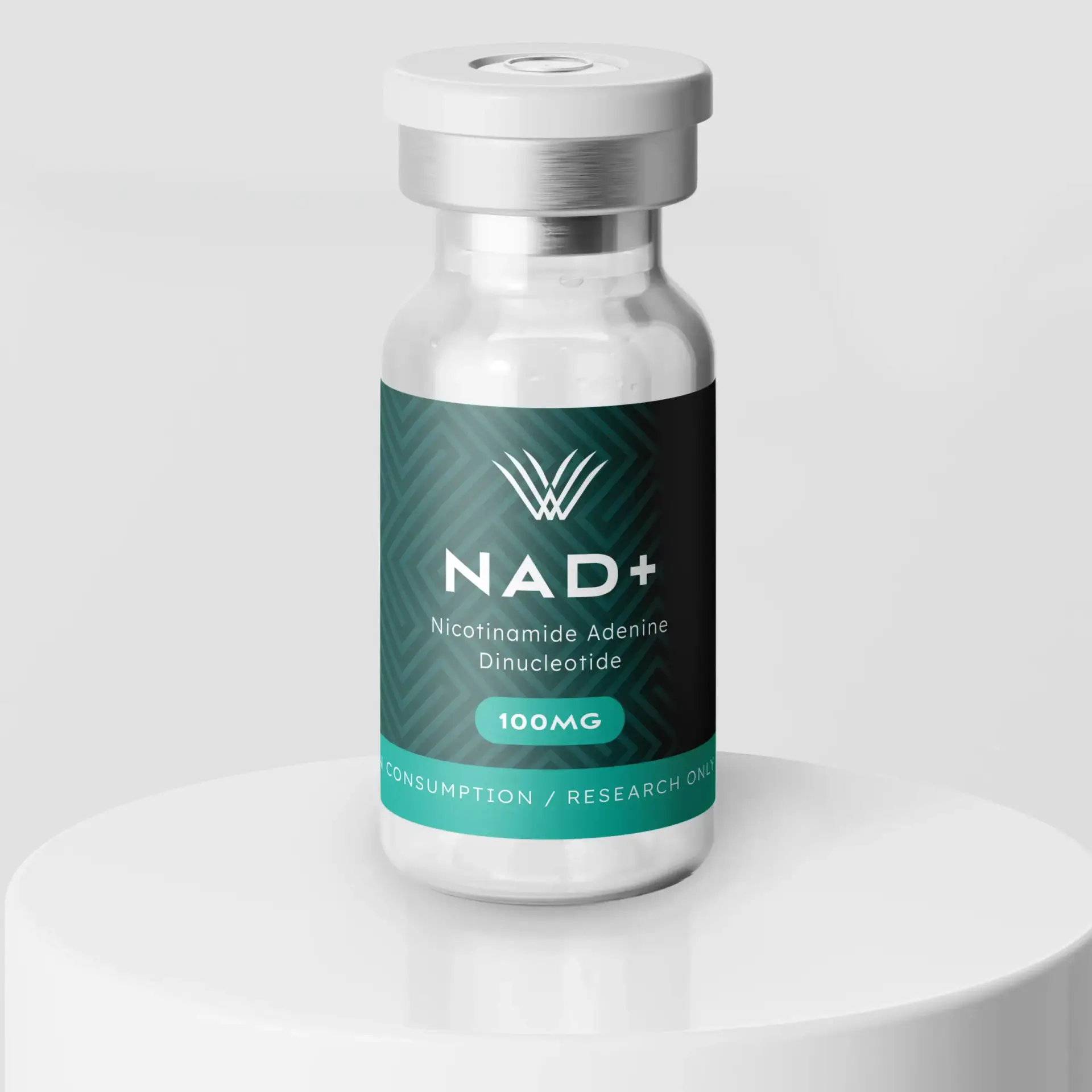
NAD+ – Research Compound for Laboratory Studies is an essential coenzyme found in all living cells. It plays a critical role in energy production, DNA repair, and cellular signaling processes. In research settings, NAD+ is widely studied for its involvement in aging biology, mitochondrial function, and metabolic regulation.
What is NAD+?
NAD+ (Nicotinamide Adenine Dinucleotide) is a coenzyme that exists in two forms:
-
NAD+ (oxidized form)
-
NADH (reduced form)
It acts as a key electron carrier in metabolic reactions, helping convert nutrients into cellular energy (ATP).
Key roles include:
-
Supporting mitochondrial energy production
-
Enabling redox reactions in cells
-
Assisting DNA repair enzymes
-
Regulating cell signaling pathways
How NAD+ Works in Cells
NAD+ functions as a central metabolic cofactor.
Primary Mechanisms:
-
Facilitates electron transfer in metabolic pathways
-
Supports ATP production in mitochondria
-
Activates sirtuin proteins (linked to cellular aging research)
-
Assists in DNA repair enzyme activity
-
Regulates oxidative stress responses
These functions make NAD+ essential for maintaining cellular health and energy balance.
Research Applications of NAD+
NAD+ is extensively studied in multiple scientific fields:
1. Aging and Longevity Research
Investigated for its role in age-related cellular decline and mitochondrial function.
2. Metabolic Studies
Used to understand energy metabolism and glucose regulation.
3. Neurobiology Research
Studied for its involvement in brain energy and neuronal protection pathways.
4. DNA Repair Mechanisms
Explored for its role in supporting genomic stability and repair enzymes.
5. Mitochondrial Function Studies
Key compound in research on energy production and cellular respiration.
Potential Research-Observed Roles
Scientific studies suggest NAD+ may contribute to:
-
Enhanced cellular energy production
-
Improved mitochondrial efficiency
-
Activation of sirtuin-related pathways
-
Support for DNA repair mechanisms
-
Regulation of oxidative stress balance
These effects are based on laboratory and preclinical research findings.
NAD+ and Cellular Aging Research
Studies focus on how declining NAD+ levels may be linked to:
-
Reduced mitochondrial function
-
Increased oxidative stress
-
Impaired DNA repair capacity
-
Decline in cellular energy production
This has made NAD+ a central molecule in longevity science.
Handling and Storage (Research Use Only)
For laboratory studies:
-
Store in a cool, dry environment
-
Protect from light exposure
-
Use sterile handling procedures
-
Follow controlled laboratory protocols
Proper handling ensures compound stability and research accuracy.
Safety Disclaimer
NAD+ is intended strictly for laboratory and scientific research use only. It is not approved for medical treatment or human consumption outside controlled research environments.
FAQs
1. What is NAD+ used for in research?
It is used to study cellular energy production, aging mechanisms, and metabolic processes.
2. Why is NAD+ important?
It is essential for converting nutrients into cellular energy and supporting DNA repair.
3. Does NAD+ affect aging research?
Yes, it is widely studied for its role in age-related cellular decline.
Conclusion
NAD+ is a fundamental coenzyme in cellular biology and a major focus of modern scientific research.




Reviews
There are no reviews yet.