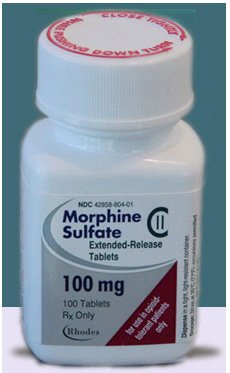
BUY MORPHINE TABLETS UK
100 TABLETS
This medication is a narcotic pain reliever. Typically, it is used for pain. Its effects can be felt within 1 hour.
Morphine Tablets UK – Uses, Risks, Dosage, and Safety Information
Morphine is a strong prescription opioid medicine used for the management of severe pain. In the UK, morphine is a controlled prescription-only medicine and should only be used under close medical supervision.
Morphine belongs to a group of medicines known as opioid analgesics. NHS guidance explains that morphine works by blocking pain signals between the brain and body, helping reduce the sensation of severe pain.
Healthcare professionals may prescribe morphine for:
Severe post-operative pain
Cancer pain
Major injury pain
End-of-life pain management
Severe chronic pain in selected patients
Morphine may be available as:
Immediate-release tablets
Slow-release tablets
Oral liquids
Injections
Capsules
Key Features of Morphine Tablets
Strong prescription opioid pain medicine
Used for severe pain management
Available in immediate and slow-release forms
Controlled medication in the UK
Requires professional medical supervision
Intended for carefully monitored pain treatment
How Morphine Works
Morphine works by binding to opioid receptors in the brain and nervous system, helping reduce the perception of pain and emotional response to pain.
This action may help:
Relieve severe pain
Improve comfort
Support recovery after surgery or injury
Improve quality of life in some severe pain conditions
Common Uses of Morphine
Severe Acute Pain
Morphine is often prescribed after:
Major surgery
Serious injury
Trauma
Severe burns
Cancer Pain Management
Morphine is commonly used in cancer care to help manage moderate to severe pain under specialist supervision.
Palliative and End-of-Life Care
Healthcare teams may use morphine to improve comfort and quality of life in palliative care settings.
Typical Dosage Information
Severity of pain
Patient age
Previous opioid exposure
Medical history
Kidney and liver function
Only a qualified healthcare professional should determine the correct morphine dosage.
Patients should always:
Follow prescription instructions exactly
Never exceed prescribed doses
Possible Side Effects
Like all opioid medicines, morphine may cause side effects.




Reviews
There are no reviews yet.