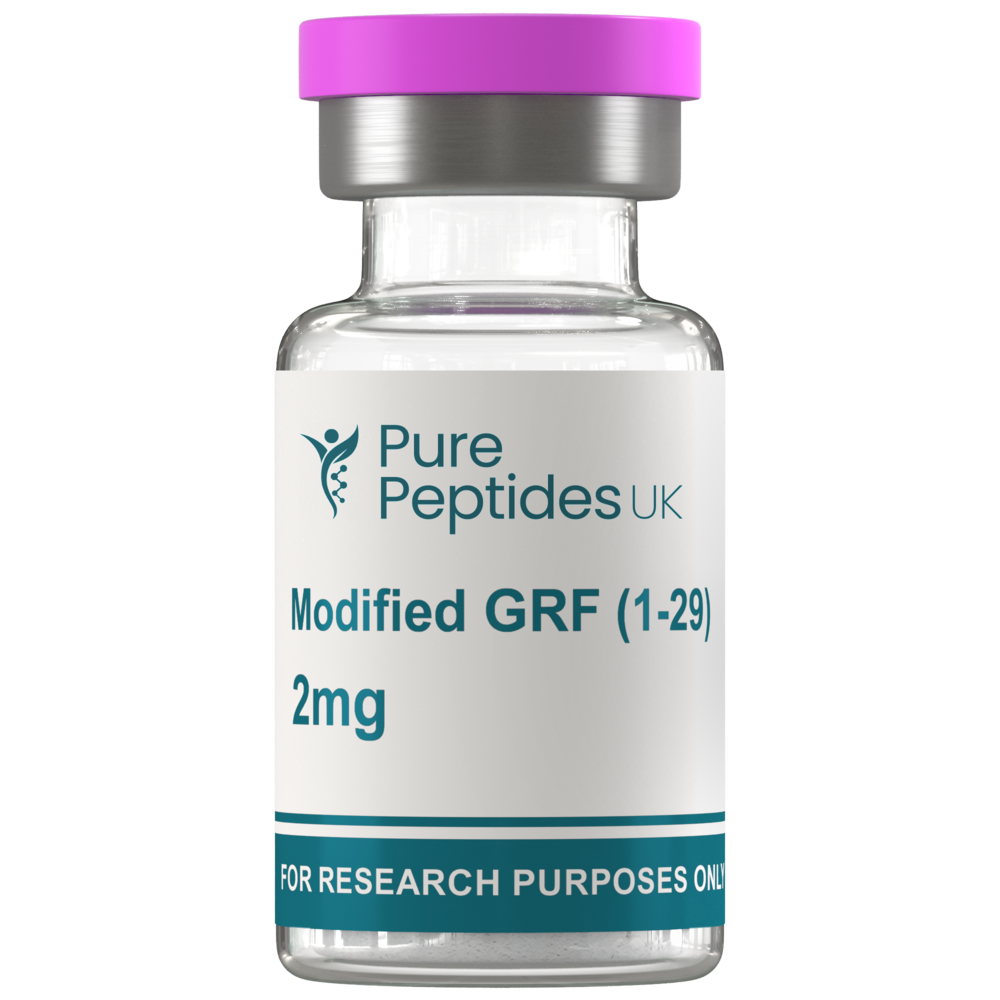
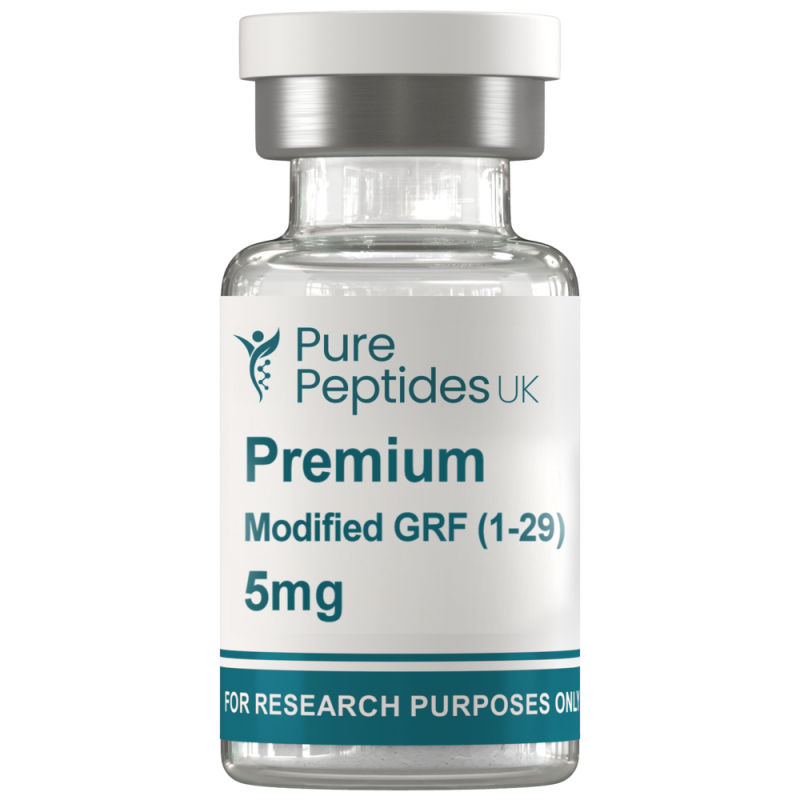
Modified GRF (1-29) – Advanced Growth Hormone Releasing Peptide for Research
Modified GRF (1-29) is a highly studied synthetic peptide widely used in scientific research involving growth hormone signaling, metabolism, recovery, and endocrine function. Known for its enhanced stability and targeted biological activity, Modified GRF (1-29) has become a valuable compound in peptide research laboratories around the world. Researchers exploring advanced peptide science frequently select this compound for studies related to hormone release and metabolic regulation.
What Is Modified GRF (1-29)?
The modifications made to the peptide help reduce rapid degradation, allowing researchers to study growth hormone signaling more effectively. This enhanced stability has made Modified GRF (1-29) increasingly popular in endocrine and metabolic research.
How Modified GRF (1-29) Works in Research
Researchers investigate Modified GRF (1-29) for its interaction with the pituitary gland and growth hormone release pathways.
Scientific interest focuses on how the peptide may support:
- Growth hormone secretion research
- Hormonal signaling pathways
- Metabolic activity studies
- Cellular repair and recovery research
- Peptide-based endocrine investigations
Its ability to target specific biological systems makes it a widely used peptide in advanced laboratory environments.
Potential Research Applications
Growth Hormone Research
Modified GRF (1-29) is commonly studied for its role in stimulating natural growth hormone release. Researchers analyze how the peptide interacts with endocrine signaling systems involved in hormone production.
Muscle and Recovery Studies
Growth hormone-related peptides are frequently investigated in studies involving tissue repair, muscle recovery, and regenerative biology. Scientists explore how Modified GRF (1-29) may influence recovery-related pathways.
Metabolic Research
The peptide is often examined in metabolic studies focusing on body composition, nutrient utilization, and energy regulation. Researchers continue exploring its relationship with metabolic signaling mechanisms.
Sleep and Recovery Research
Growth hormone release is naturally associated with sleep cycles and recovery processes. Modified GRF (1-29) is sometimes included in studies examining sleep-related hormone activity.
Anti-Aging and Longevity Research
Peptides influencing endocrine function remain an important area of healthy aging and longevity research. Scientists investigate how growth hormone signaling may contribute to physiological maintenance.
Benefits of Modified GRF (1-29) in Peptide Research
Researchers choose Modified GRF (1-29) for several important reasons:
- Enhanced peptide stability
- Improved resistance to enzymatic breakdown
- Reliable performance in laboratory studies
- High specificity for growth hormone pathways
- Strong interest in metabolic and regenerative science
- Suitable for advanced peptide research applications
These advantages make the peptide a preferred choice among research professionals.
Importance of High Purity Peptides
High peptide purity is essential for accurate and reproducible laboratory outcomes. Research-grade Modified GRF (1-29) should be manufactured using strict quality-control procedures and tested through advanced analytical methods.
Common laboratory verification methods include:
- High-Performance Liquid Chromatography (HPLC)
- Mass Spectrometry testing
- Sequence identity verification
- Sterility screening
- Batch consistency analysis
Reliable quality testing helps ensure peptide integrity and scientific reliability.
Proper Storage and Handling
Correct storage procedures are important for maintaining the stability and effectiveness of Modified GRF (1-29).
Recommended peptide handling practices include:
- Store lyophilized peptide in cool, dry conditions
- Protect from moisture and direct light
- Refrigerate after reconstitution
- Avoid repeated freeze-thaw cycles
- Use sterile laboratory equipment
Proper storage supports long-term peptide stability and consistent research performance.
Growing Demand for Peptide Research
The global peptide research market continues expanding as scientists seek advanced compounds for studying biological signaling systems. Modified GRF (1-29) remains one of the most recognized peptides in growth hormone-related research.
Researchers continue exploring peptides for applications involving:
- Hormone regulation studies
- Metabolic optimization research
- Recovery and regeneration science
- Endocrine system investigations
- Cellular communication pathways
This growing interest has increased demand for high-quality research-grade peptides worldwide.
Choosing a Trusted Peptide Supplier
Researchers purchasing Modified GRF should carefully evaluate peptide suppliers to ensure product authenticity and quality.
Important factors include:
- Verified laboratory testing
- Transparent purity documentation
- Reliable manufacturing standards
- Secure peptide packaging
- Consistent batch quality
- Positive scientific reputation
Working with a trusted supplier helps laboratories maintain research accuracy and consistency.
Future of Modified GRF Research
Scientific exploration of growth hormone-releasing peptides continues advancing rapidly. Researchers remain interested in understanding how Modified GRF interacts with endocrine pathways and metabolic systems.
- Hormonal signaling efficiency
- Regenerative biology applications
- Recovery-related mechanisms
- Metabolic regulation pathways
- Advanced peptide therapies
As peptide science evolves, Modified GRF is expected to remain a valuable research compound.
Conclusion
Modified GRF is an advanced synthetic peptide widely studied for its potential role in growth hormone release, metabolic function, recovery science, and endocrine research. Its enhanced stability and growing popularity make it an important peptide in modern laboratory studies. Researchers seeking high-quality Modified GRF should prioritize purity, verified testing, and reputable peptide suppliers to support accurate and dependable scientific investigations.


Reviews
There are no reviews yet.